

Everyone Thinks They’re Losing on AI. You’re Not. Here’s Why.

Everyone talks about AI like it is a race. A new tool appears, someone posts a clip on social media, and suddenly it feels like you are already behind, even though you are still trying to figure out what is actually going on.
But that is not how real AI adoption works.
You are not losing out on AI because you missed the latest hype. You are losing time only if you are chasing the wrong thing. If you are trying to build infrastructure, install every tool, or rush into learning Python when you have never coded before just to replicate a demo, you are focusing on the wrong layer.
The real edge is much simpler.
It is understanding how AI behaves, how agents work, how prompts shape output, and how all of that fits into a workflow that solves a real business problem.
That is where the value is.
The Internet Makes Ai Look Easier Than It Is
A lot of the confusion comes from social media. You see a video where a tool writes code, files receipts and invoices, or builds an app in seconds. It looks clean and magical.
What you usually do not see is everything behind it.

Before that demo works, there is often:
- Installing tools on the command line
- Setting up API keys and permissions
- Connecting accounts
- Handling OAuth verification
- Deploying to the cloud
- Securing access
- Maintaining the system after launch
That is why you might feel stuck. Not because you are bad at AI, but because you are only seeing the polished layer and missing the hard part.
AI Tools Are Useful, But They Are Not Magic
You have probably seen the rise of AI coding tools. They are powerful. They can speed up writing, debugging, and planning.
But they are not effortless.
Some require CLI knowledge. Some require local setup. Some require you to understand environments, permissions, and system access. And some can be fragile if you run them carelessly on your desktop.
This matters because the real world is not a demo.
If a tool can access your files, your system, or your secrets, you need to know what it is doing.
Before you trust any AI tool, ask:
- What can it access?
- Where are your keys stored?
- What data is being sent out?
- Can it break something on your machine?
- Can you recover if it fails?
If you cannot answer these questions, you are not behind. You are being careful. That is a good thing.
Building On Localhost Is Not The Same As Building For Real Users
It is easy to make something work on your laptop.
The real challenge starts when it has to work for actual users.

Now you need:
- A public endpoint
- Cloud deployment
- Access control
- Monitoring and logging
- Error handling
- Recovery when things fail
This is where many AI projects slow down.
It is one thing to demo a chatbot locally. It is another to expose it to the internet and trust it with real users. If your system is not set up properly, you risk broken workflows, open endpoints, or security issues.
So instead of asking if you are losing out on AI, ask this:
Are you trying to build the wrong layer?
Because infrastructure is rarely where your advantage comes from.
Integrations Are Where Reality Starts
The real work begins when you connect AI to the tools your business already uses.
And that is where things get messy.
If you want to connect AI to Google or Microsoft services, you usually need OAuth setup, app registration, and verification. Sometimes you also need business identity checks.
If you want to use channels like WhatsApp or Microsoft Teams, you may need approvals, compliance, and platform restrictions.
You cannot always build and ship in a day, or even a month.
That is the part many people skip when they present AI as instant magic.
Automation Platforms Help, But They Still Need Thinking
Tools like N8N make automation easier. They connect apps, move data, and let you build workflows faster.
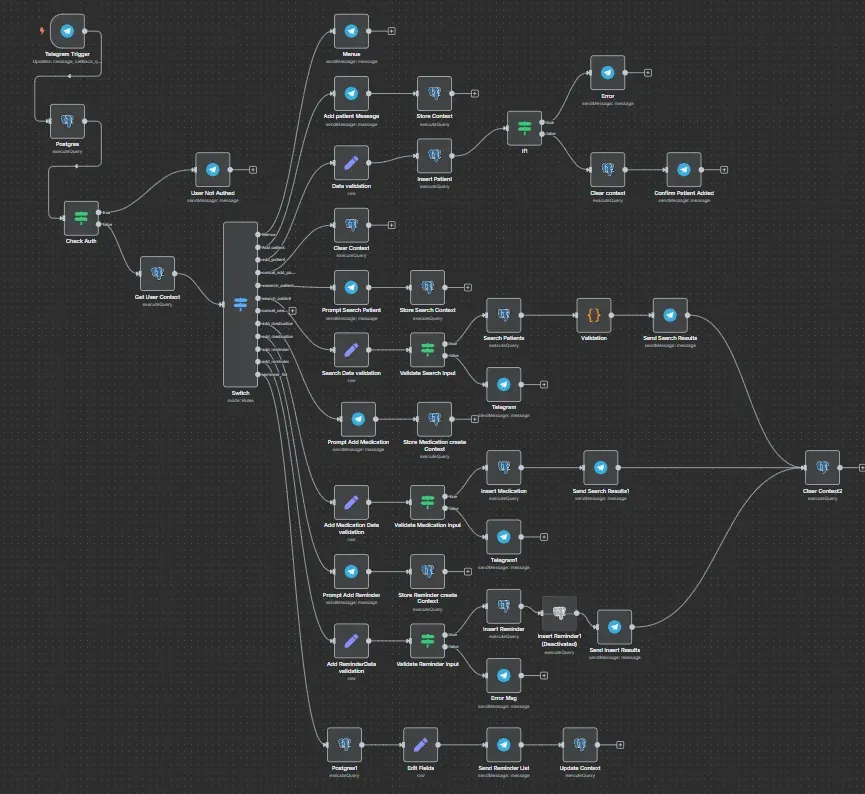
But they do not remove responsibility.
You still need to think about:
- What happens when an API changes
- What happens when a step fails
- Which parts still require code
- How the workflow is maintained
- Who owns the logic when something breaks
A workflow that works once is not the same as a workflow that works every day.
The Real Skill Now Is Understanding Agents And LLMs
If you are worried about missing the AI wave, here is the honest answer:
You do not need to rebuild the base layer.
That problem is already being solved by existing available infrastructure such as Knoon.
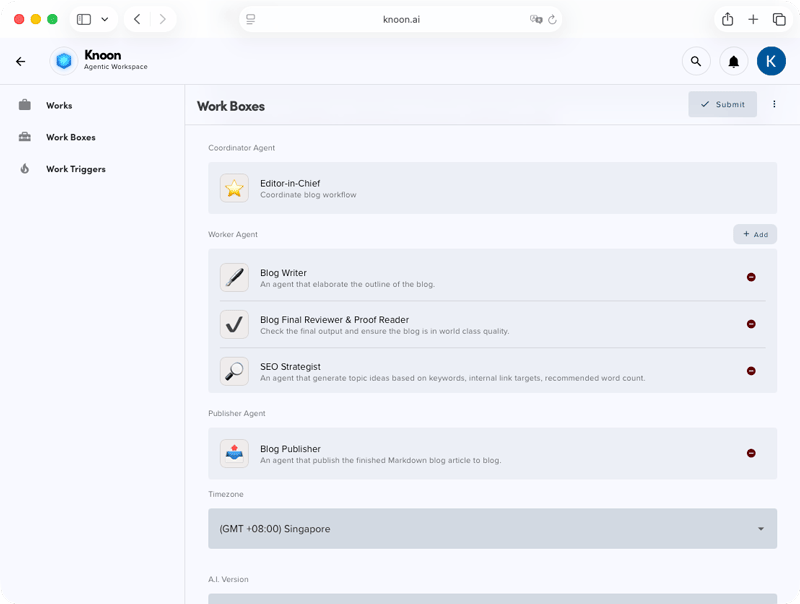
What matters more is learning:
- How agents think through tasks
- How LLMs respond to prompts
- How context changes output
- How to give clear instructions in plain English
- How to design workflows around real business needs
This is where the shift is happening.
The value is moving away from infrastructure and toward practical orchestration.
Focus On Guiding AI, Not Building Everything
At Knoon, this is exactly how we approach it.
The infrastructure layer is already there.
Your real job is to use AI properly.
That means focusing on:
- Clear and useful prompts
- Giving agents clear context
- Workflows that match real industry needs
- Systems that are easy to maintain
- Outputs that can be trusted in the real world
You do not need to build everything from scratch.
You need to guide the AI.
Good Prompts And Good Workflows Beat Complex Setups
One of the biggest myths is that you need a complex stack to get real results.
You do not.
A clear workflow and a good prompt in plain English can do more than a complicated system with no direction.

Start with the job, not the tool.
Ask yourself:
- What problem are you solving?
- What input does the AI need?
- What output do you want?
- What should happen after the AI responds?
- Where should a human step in?
If you can answer these questions well, everything else becomes easier.
Why You Are Not Losing Out On AI
You are not losing out because you did not chase every demo.
You are not losing out because you did not install every new tool.
You only lose if you treat AI like a magic show instead of a system.
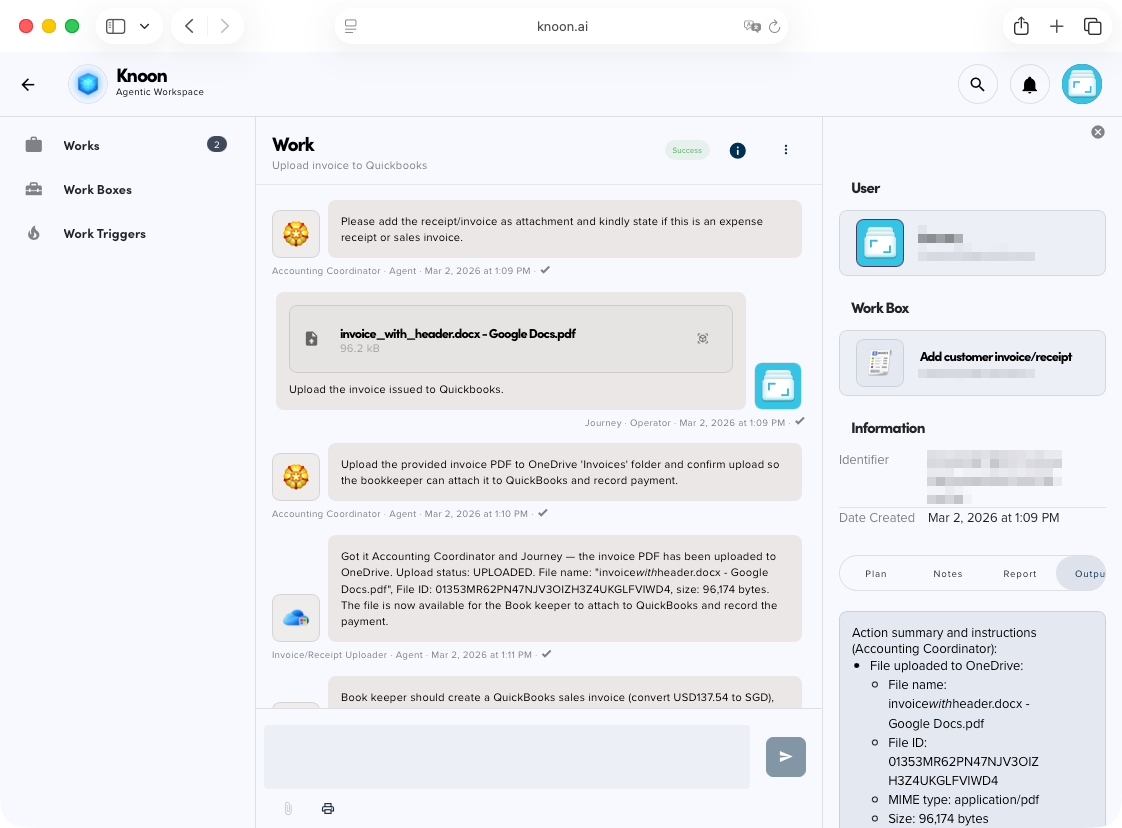
You win when you:
- Understand your industry
- Use AI where it actually helps
- Build workflows that can be maintained
- Write better prompts
- Give agents the right context
- Know when to automate and when to involve humans
A New Role Is Emerging: AI-Native Engineer
You will start to see a new kind of role becoming more common: the AI-native engineer.

This is not just a traditional software engineer.
This is someone who understands:
- How to design workflows with AI at the center
- How to guide agents with clear context and prompts
- How to connect AI to real business tools
- How to balance automation with human input
- How to keep systems stable after deployment
Notice that this is not just about writing code.
Or maybe, you do not even have to code.
It is about thinking in systems, workflows, and outcomes.
And the skills you are learning now, prompts, context, agents, workflows, are exactly the foundation for this role.
So if you are starting to learn these now, you are not late.
You are early.
In the future article, I will share more about what it means to become an AI-native engineer.
Final Thought
AI is not a sprint to install tools.
It is a long game.
It is about learning how models behave, how to connect them to real work, and how to keep systems stable after launch.
You are not behind. The infrastructure is already being handled.
Now your focus should be on agents, prompts, context, and workflows.
That is where the real value lives.
And that is how you stop worrying about AI, and start using it in a way that actually matters.